
Why Do We Need to Measure Leaf Surface Area?
Sometimes there is a need to measure leaf area. However, before you go further to find a tool for this measurement, remember the following.
By Maryna Kuzmenko
Sometimes there is a need to measure leaf surface area. However, before you go further with a search of tools for leaf area measurement and tips how to do it in the most effective manner, the best question to ask is “why?”. Why does leaf surface area play crucial role for plant scientists? There are a couple of key aspects to know.
Importance of leaves and their size
Leaves are a very integral and important part of plants. They serve as the food factory for the plants. Leaf surface area has a direct link with all photosynthetic light harvested which affects the overall plant growth and crop yield. The plant mainly depends on leaves for taking CO2 and water which is important for photosynthesis.
All the significant processes for photosynthesis are happening in leaves. In brief, the most important of them include capturing of light by chloroplasts in leaves and CO2, which depends on stomata in leaves. The plant leaf area is also associated with the process, which is called evapotranspiration.
The internal plant tissues always have higher pressure. When water exceeds plant requirements it escapes in the form of vapours by plant stomata in leaves. Plants have a mechanism of regulating CO2 intake and water vapour escaping called transpiration. Hence, the leaf area helps to estimate the scope of transpiration process in a plant.
Leave area measurement helps farmers and crop scientists to know how plants are adapting to the environment.
The plants, which grow in drier areas, have smaller leaves. This phenomenon is caused because of the high temperature and active sunlight as well. While the plants, that grow in wet areas with low sunlight availability, have larger leaves. Simultaneously, this impacts on the processes of transpiration, evapotranspiration and photosynthesis.
Therefore leaf area is very vital to understand how plants adapt to different natural ecosystems. The plants with higher evapotranspiration usually need a high amount of water and fertiliser, as the water is only medium to take the food in the plant body.
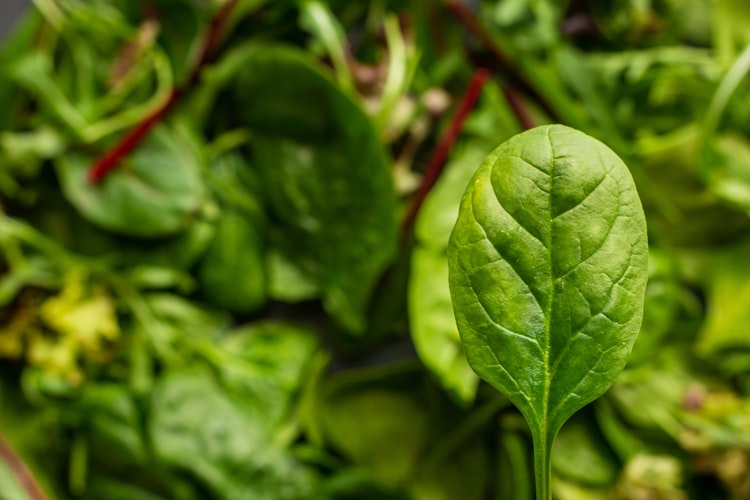
Need to measure leaf area as a core task
The leaf area measurement is an important parameter for many related fields of research. However, in horticulture, floriculture and ecology knowledge about leaf area plays the most crucial role.
Firstly, need to measure leaf area exists for the research of environmental adaptations. As the leaf surface measurement is an excellent indicator of plant
In ecology, the leaf area measurement is one of the factors to study the effects caused by deforestation and reforestation. Ecophysiologists use leaf area measurements when researching crops or natural ecosystems.
Crop stress can cause the change in leaf area. As a result, the stress caused by biological and physical factors is determined by leave area. Crop optimisation is another field of active application the knowledge about leaf area.
Finally, leaf area is a must-have information for agricultural practices which aim to improve growing conditions for plants. As a result, leaf area is one of the indicators, which are crucially important for agricultural scientists. For example, agronomists can establish the best agricultural practices based on this knowledge. Similarly, farmers can check if they are creating an ideal environment for their annual and perennial crops.
How to Measure Leaf Area
There are a couple of main methods how to measure surface leaf area for plant. The most popular of them are direct measurements, use of planimeter and leaf area meters.
Direct Measurements
Climate change and increasing temperature day by day making the leaf area studies more important. In the near future there will be more developments in this field.
The latest instruments for measuring the leaf area have allowed the growers to monitor their fruit orchards, cereal crops in the changing environment. Leaf area measuring instruments also had utmost importance in recognising the plant responses to the environment and also crop yield optimisation in the changing climate.
Leaf area by this method can be calculated by taking length and width of leaf by regression equation given below:
A = l × w × b
where l is the length, w is the width of the leaf at its widest point, b is the leaf shape coefficient that varies from species to species, and A is the leaf area.
Grid Paper or Millimeter graph paper method
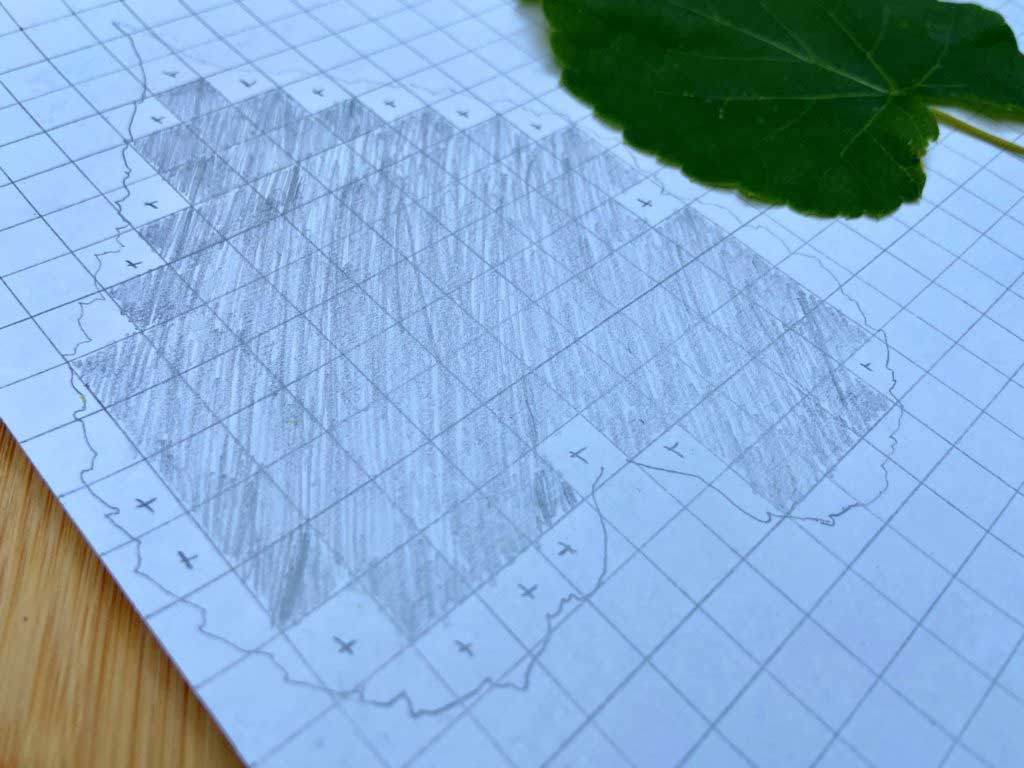
In this method a leaf is projected on a graph paper. For leaf area measurement with graph paper, it is important to remember that area is the amount of surface covered by an object or space.
Area of any leaf is an area of irregular shape. The easiest way to estimate area of an irregular shape is to trace the shape on a graph paper. Then it is important to count the number of squares covered by the shapes.
As a result, the grids covered by the leaf are important and the number of these grids provides the leaf area.
Also, for grid paper method of leaf area measurement it is important to remember the rule of thumb. Square that is more than 50% covered by the shape (a leaf) must be counted as 1 cm² each.
Example of leaf area measurement with grid paper
There are plenty of instructions how to measure leaf area using millimeter graph paper. One of them is represented by Carnegie Museum of Natural History.
- Print or draw graph paper with a 1-centimeter grid. For example, search “1 cm grid paper template” for printable options. Then, carefully remove leaf from plant and place on grid paper. Finally, trace the outline of your leaf and remove the leaf to ease counting.
- Count the number of squares that are completely within the outline. Estimate the areas partially covered – The simplest way to do this is: count a partial square if it is at least half covered by the leaf; do not count partial squares that are less than half covered.
- Add up the number of squares counted (fully filled + half full squares) and you now have the surface area of the leaf in centimeters squared (cm2).
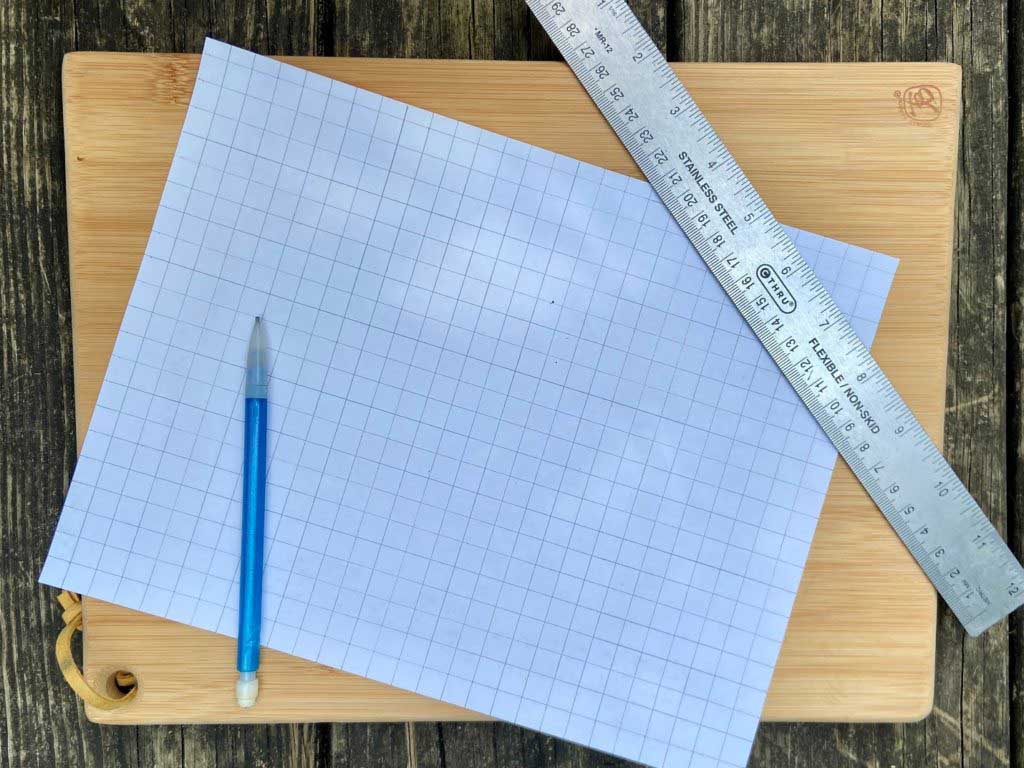
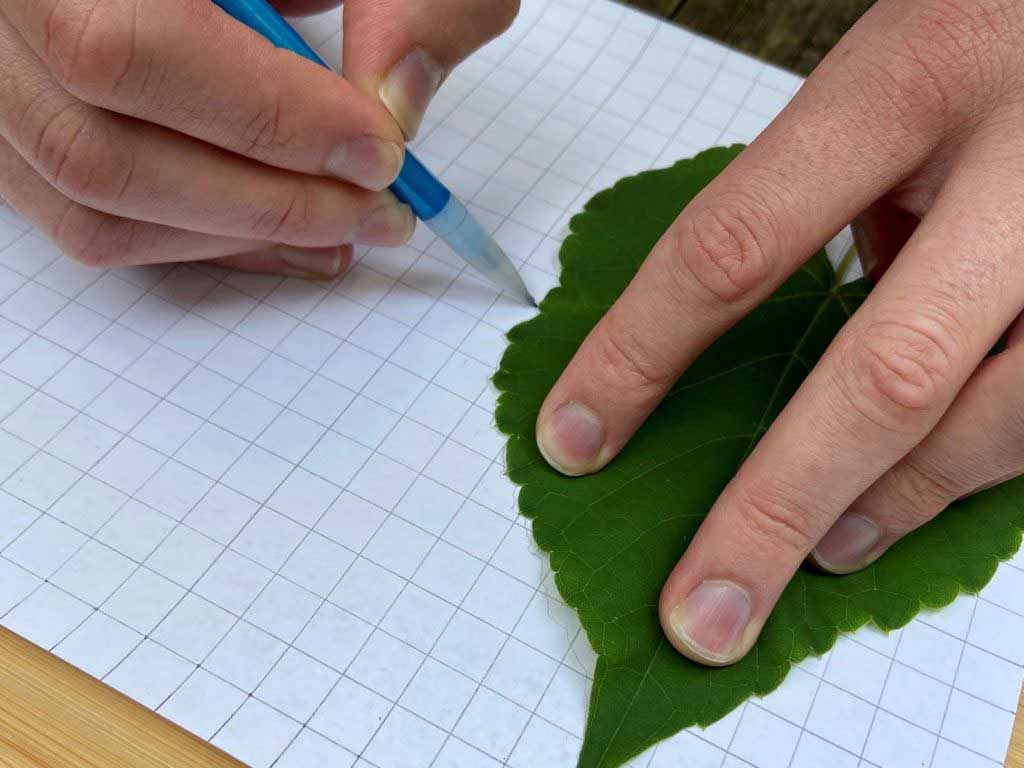
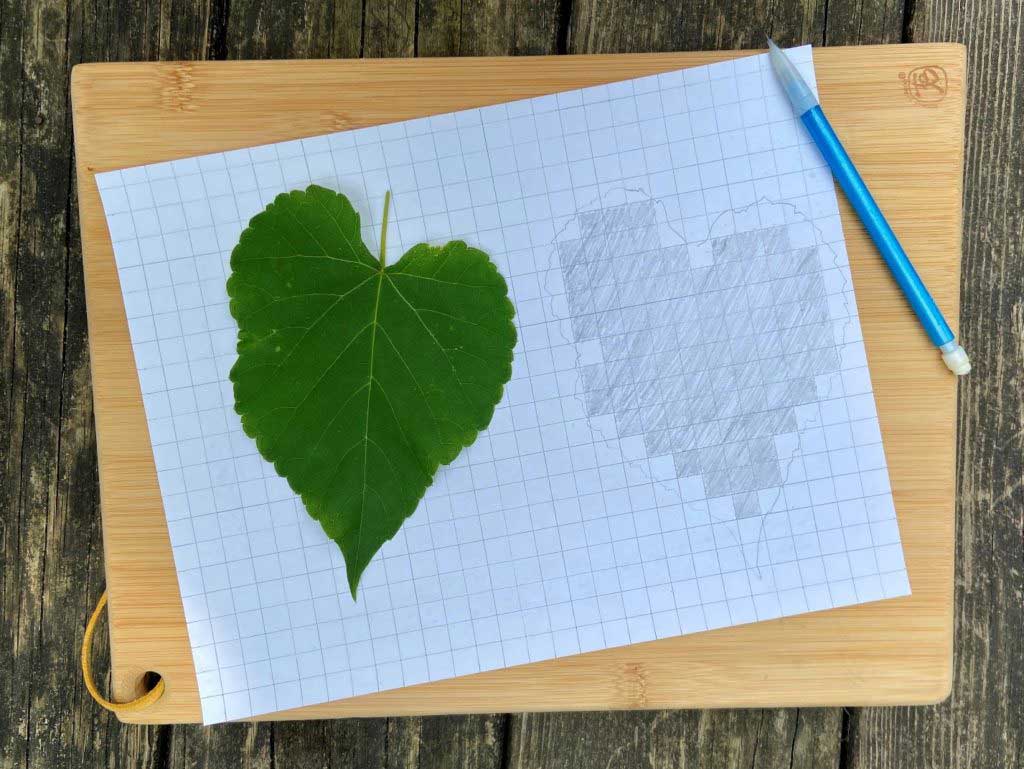
Planimeter
This method is among the simplest one. But this method is destructive. The algorithm of this measurement is quite obvious: leaf is plucked. Then a researcher needs to measure dimensions of a leaf for area calculations.
Leaf Area Meters
There are two main types of leaf area meters: handheld and digital leaf area meters.
Handheld leaf area meters
There are a few of handheld leaf area meters, available for crop scientists.
Digital Leaf Area Meters
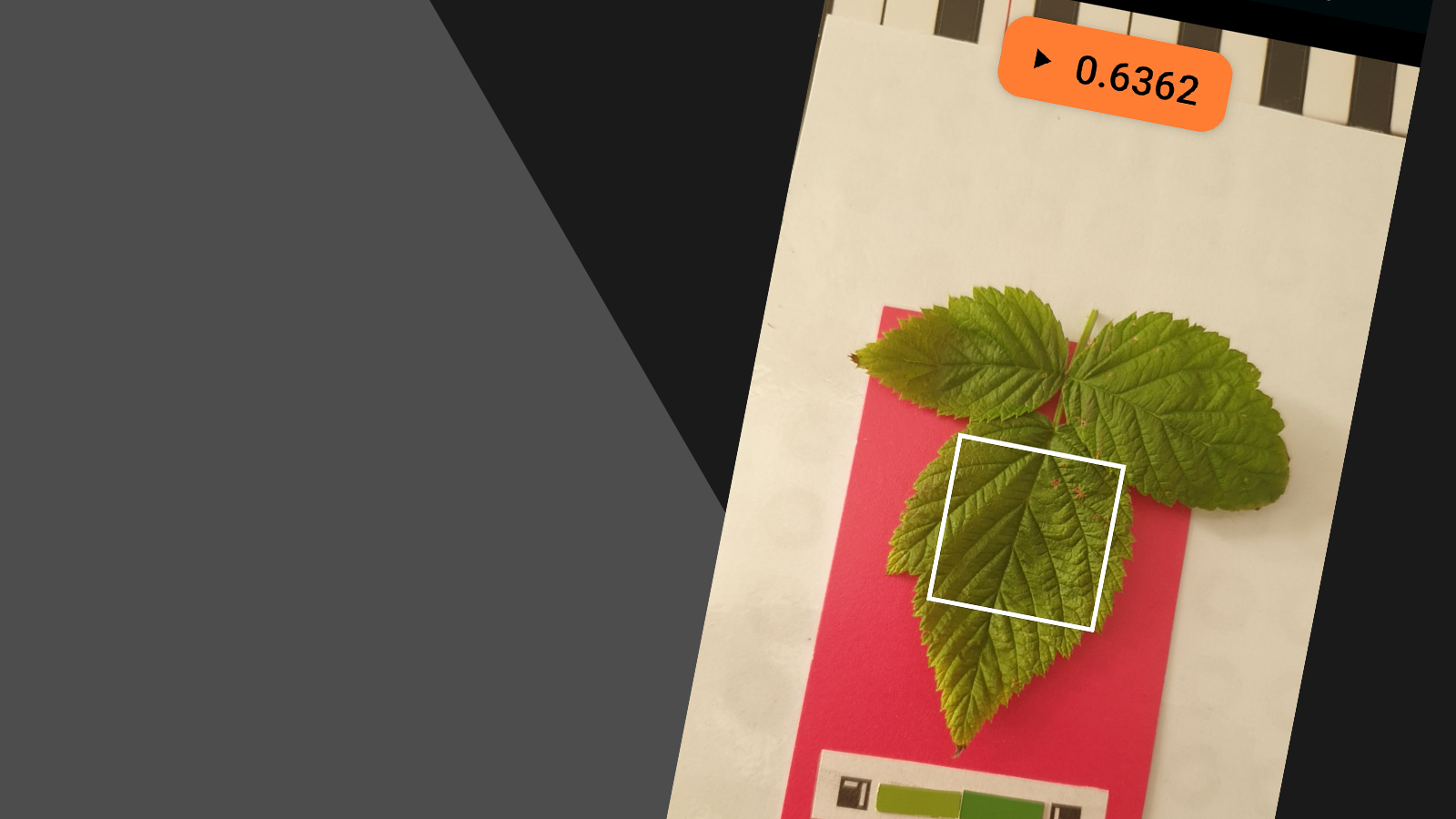
This is one of the most innovative way how to assess the leaf area index. The principle of work of any digital leaf area meter is quite simple. Digital camera assesses the area, based on image segmentation. Most of the digital leaf area meters use Computer Vision libraries to “explain” the smartphone how to estimate leaf area.
As a result, most of the digital leaf area meters are easy to use. There are a few reliable digital leaf area meters, which provide good quality of measurements. However, they differs by price, methodology of work, time to process one measurement, camera calibration process as well as functionality to save and share measurements.
You can see how do the digital leaf area meter works in the video below:
You can download Petiole Pro mobile application for leaf area measurement here.

Maryna Kuzmenko
Building Petiole Pro to help agronomists, farmers, crop producers solve vision – one tool to save time & money.



2 thoughts on “Why Do We Need to Measure Leaf Surface Area?”
CharlesMuh
Hello, what’s new?
Maryna Kuzmenko
Hi, we have launched Petiole Pro. Have you tried?