Why to use Seed Counter in Plant Breeding
Seed counter makes it possible to get the exact number of seeds and grains, which can help improve crop yields. How to get affordable one?
By Maryna Kuzmenko
Seed counting is a key element in agricultural research. The use of seed counter make it possible to get the exact number of seeds and grains, which can help improve crop yields. In addition, seed counters reduce labor costs by eliminating manual counting methods such as weighing with scales or sorting out grain from seeds using screens.
What is seed counting and why do we need it?
Even though it has different kinds of sophisticated approaches, “seed counting” is one of the basic facts that come under horticulture. Even if you are not familiar with the term seed counting, it is reasonably to assume that it is a vital fact that assures the correct quantity of seeds.
Seed counting is the process of checking for germination, and assessing how many seeds are still viable. Seed counters can come in many shapes and sizes, but they all have a basic function of being able to count individual seeds or grains of wheat. This article will highlight what seed counters are and why they’re important to agriculture research. For example, they allow researchers to measure how much fertiliser or pesticide needs to be applied as well as discuss some variations on this topic.
In seed production, seed counting can help to determine seed quality and to determine whether the seeds meet the standards.
What is seed counter?
The seed counter is a device used to count the number of seeds per unit area of a sample. The seed counter is an instrument which is used to count the number of seeds in one sample of a given size. The unit used to determine the number of seeds per unit area is called the seed count, number of seeds per square foot or seeds per unit area.
In some cases, seed counters help to count number of seeds for plant phenotyping purposes. For example, rice breeders need to count number of seeds to ensure that their plant is a homozygous plant.
There are many kinds of seed counter in the market. Some of them are hand-operated and some others are operated by electric. The hand-operated seed counter needs to be operated by hand and it is very tedious to use. Also, it requires significant time contribution for counting seeds. The electric seed counter, on the other hand, is very efficient in counting number of seeds.
While hand-operated seed counter requires time and labor to operate, an electric seed counter needs little time and effort to operate.
Why seed counting is important for plant phenotyping?
Seed counting is important part of plant phenotyping as the crucial process of distinguishing phenotype of plants.
For example, plant seeds are used to evaluate the quality of seeds for plant breeding purposes. In this kind of experiment, accurate seed counting can help to determine the number of plant seeds and the overall results of the experiments.
Particularly, seed counting is important part of the plant breeding process since the number of seeds produced by a plant is directly related to its economic value. In order to determine the number of seeds per plant, a seed counter is used. Also the seed counter is used at all stages of plant breeding, from the initial breeding to the final stages of seed production.
Seed counters and other equipment
Seed counters come in many shapes and sizes for different purposes; some are designed specifically for large-scale operations while others are more appropriate for small-scale farmers.
In either case, the function of a seed counter is to count individual seeds or grains.
Seed counters are important for agriculture research because they allow researchers to measure how much fertilizer or pesticide needs to be applied and track supply in the field. In some cases, seed counters can help assess whether enough corn plants survived after being exposed to different types of insecticides. This is possible through “survival counting,” which tracks how many healthy plants survive from each type of insect-treatment (i.e
Seed counting is done by using various kinds of machines that provide total seed count or batch sizes for packaging. Seed counting techniques are vastly used for research purposes and in agriculture to avoid inaccurate seed measurements.
Types of seed counters available for plant breeding
With the advancement of modern technology different kinds of technologies have been used to invent various kinds of seed counting machines including; electronic, mechanical and manual, vacuum, and automatic seed counting systems.All these innovations share the same basis with different modifications that help in increasing productivity and reducing labor costs.
Manual seed counting system
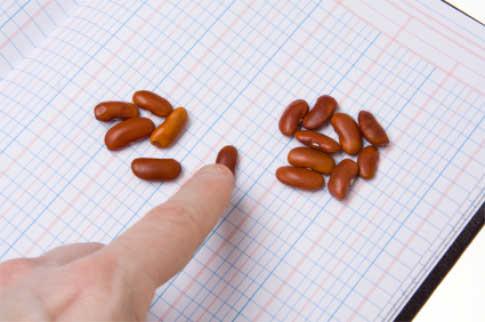
Seed counting can also be done manually with a spreadsheet using the seed count table. The manual seed counting has been used by farmers and researchers for a long time as it is inexpensive and user friendly. A manual seed counting system can be considered the simplest among all while other systems are innovated with advanced technology.
Electronic seed counter
An electronic device for counting seeds consists of electric crystals to generate electric pulses which are amplified and count seeds. This is a device with high accuracy, capable of counting seeds with different sizes, and counts seeds from 200 – 300 per minute.
The automatic seed counting system has a micro controller and it performs all the operations in a sequence which makes a clean flow of seeds without any obstruction with the help of the vibrator circuit. It is a user-friendly device with a photosensitive detector and vacuum pickup seeds and gives a direct digital readout. The vacuum seed counter is designed to count 50 to 100 seeds within a few seconds through a specially designed stainless steel plate with 50 to 100 holes.
The system is empowered with the high pressure supplied by the vacuum pump and it is very easy to operate without any expert knowledge.
Digital seed counter
The third type of seed counting devices are digital seed counters.
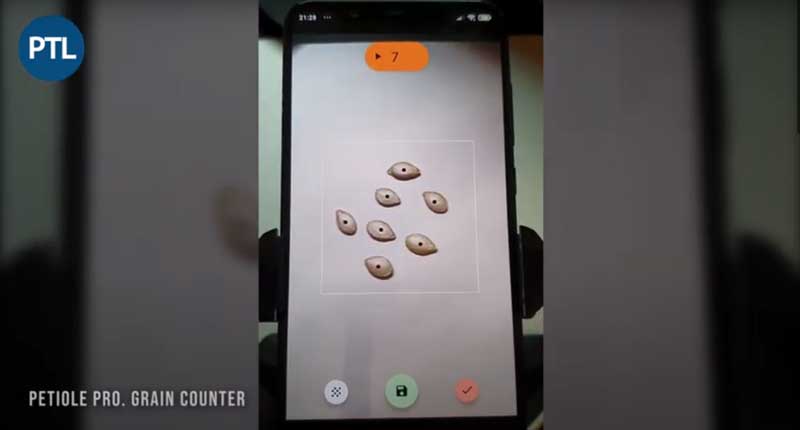
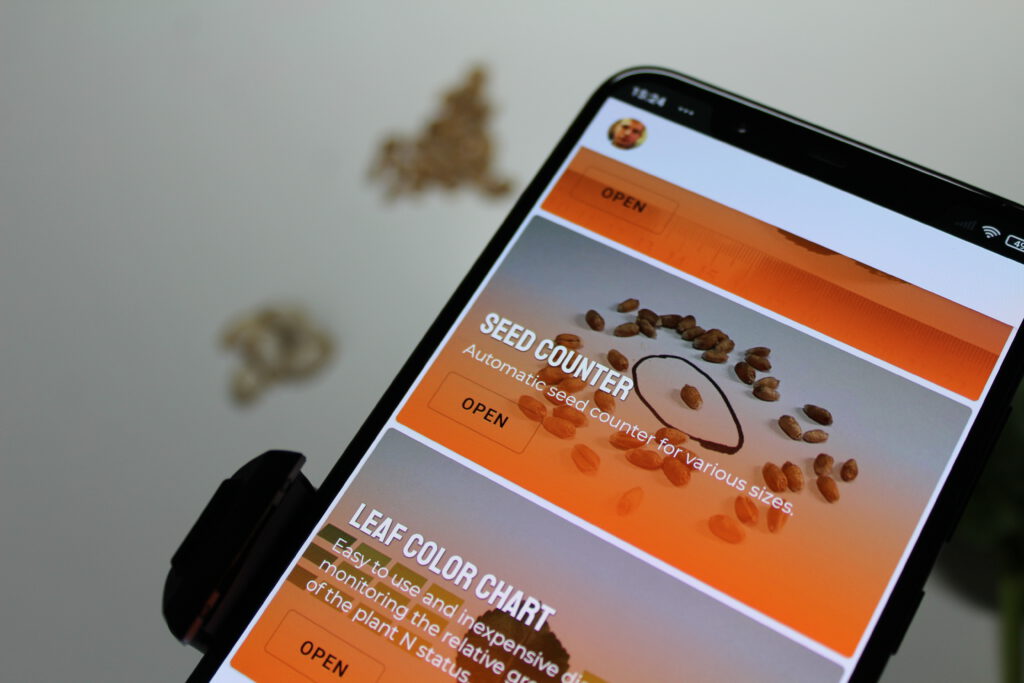
A new mobile application Petiole Pro includes a digital seed counter. It helps to count number of seeds and grains in real time using a mobile application.
What are the technical challenges for seed counter?
At the same time, there are numerous technical challenges for seed counting. For example, the seeds should be counted at a certain number of seeds per unit area in order to ensure replicability of the sample.
Some of the common problems associated with seed counting are:
- seeds are not equally distributed in a sample;
- seeds are not equally sized;
- some seeds are not mature or decayed;
- seeds are not equally coloured;
- seeds have different texture and colour, etc.
For example, in a sample of grain, the seeds are not uniformly distributed. The more seeds in a sample the more likely that the sample will have inaccuracies during seed counting. Most of the field trials use seed counts with an accuracy of ±10% to ±20%.
How seed counting can be automated?
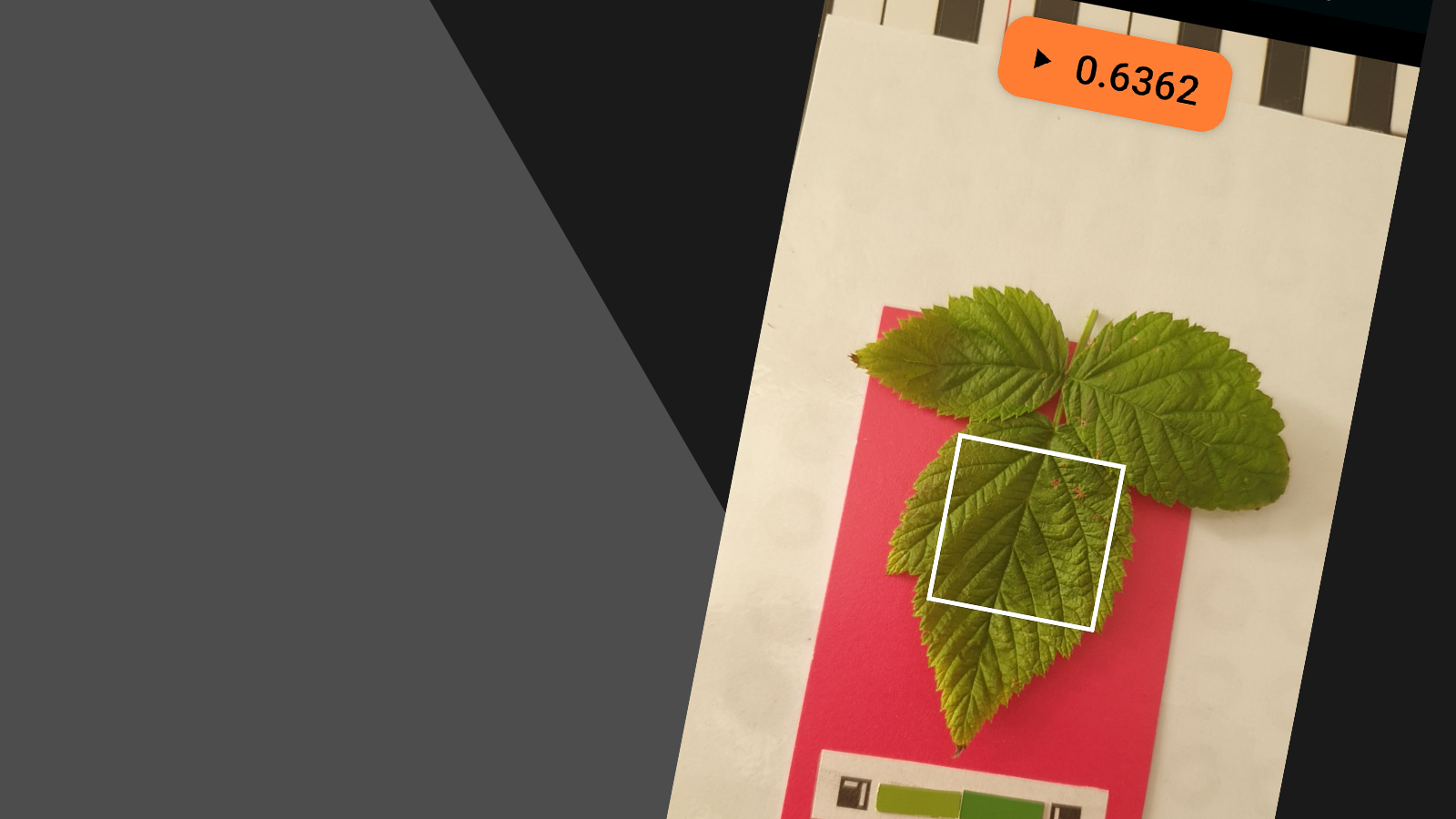
Seed counting can be automated with Computer Vision. In particular, customised solutions and mobile applications, which use Computer Vision, helps to count seeds with a mounted camera or a smartphone. The camera can record the image of one seed at a time and a software algorithm can count seeds.
The camera can be mounted on a special stand or it is possible to use a smartphone, which can capture images of one seed at a time, and a software algorithm can count seeds on the smartphone. However, some of the mobile applications offer real-time seed counting which saves time and increase productivity.
How seed counting can be implemented in plant phenotyping?
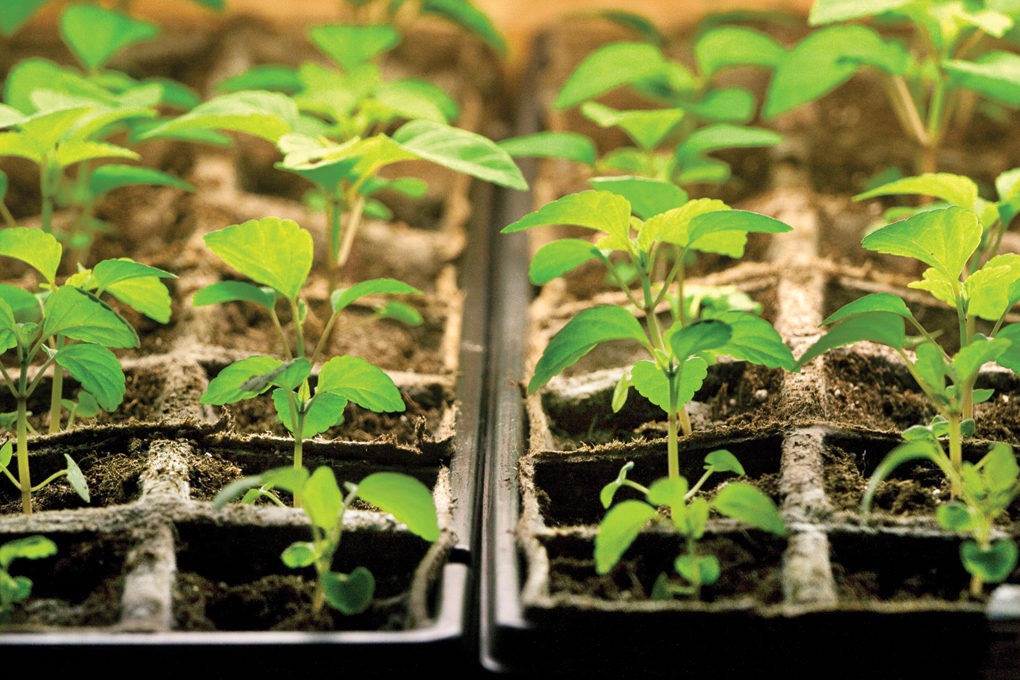
Automatic seed counting can improve plant breeding and agronomy by providing more accurate estimates of plant populations and plant population related traits, such as plant height, flowering time and yield.
Seed counting helps to assess plants grown in different environment conditions and can help to identify valuable plants. In addition, seed counting can help to determine the number of seeds planted and the number of seeds that germinate.